
Sciatica Chiropractor in London, Ontario
Sciatica is one of those conditions that’s hard to describe to someone who hasn’t experienced it. It’s not just back pain. It’s a sharp, burning, sometimes electric sensation that travels from the lower back or buttock down into the leg, sometimes all the way to the foot. It can make sitting unbearable, standing exhausting, and sleeping feel impossible. Some people describe it as a constant ache. Others get shooting pain with certain movements. Many get both.
What makes sciatica particularly frustrating is that it doesn’t always respond to the things that help regular back pain. That’s because sciatica isn’t a diagnosis on its own. It’s a symptom, and the underlying cause varies significantly from one patient to the next. Treating it effectively means identifying what’s actually driving the nerve irritation, not just managing the pain.
That’s exactly what Dr. Ben Tucker does at Riverside Chiropractic in London, Ontario.
What Is Sciatica?
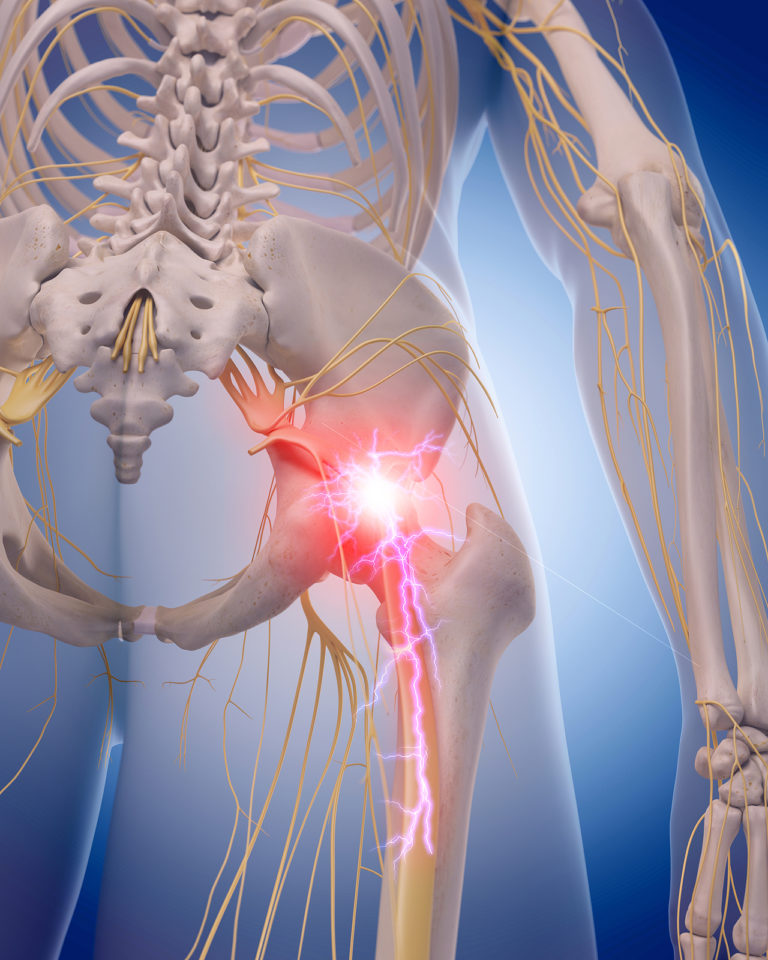
The sciatic nerve is the longest nerve in the body. It originates from several nerve roots in the lower lumbar and sacral spine, travels through the buttock, and runs down the back of the leg to the foot. When something compresses or irritates any part of that nerve pathway, the result is sciatica: pain, numbness, tingling, or weakness that follows the nerve’s path into the leg.
The key word is “something.” Sciatica can originate from several different sources, and the treatment approach needs to match the actual cause. This is why two people with identical sciatica symptoms might need completely different care plans, and why getting properly assessed before starting treatment is so important.

Common Causes of Sciatica
Disc Herniation or Bulge
One of the most common causes. When a spinal disc herniates or bulges in the lower lumbar spine, the displaced disc material can press directly on a nerve root, causing radiating pain down the leg. The location and character of the leg symptoms often helps identify which disc and which nerve root is involved.
Lumbar Joint Restrictions
Restricted or dysfunctional joints in the lower lumbar spine can create nerve irritation without disc involvement. This type of sciatica often responds very well to targeted chiropractic adjustments that restore proper joint movement and reduce the irritation on the nerve root.
Piriformis Syndrome
The sciatic nerve passes either through or directly beneath the piriformis muscle in the buttock. When this muscle becomes tight, inflamed, or goes into spasm, it can compress the sciatic nerve and produce symptoms that closely mimic disc-related sciatica. The key difference is that piriformis syndrome originates in the muscle rather than the spine, and the treatment approach is different.
Spinal Stenosis
A narrowing of the spinal canal that puts pressure on the nerve roots as they exit the spine. More common in older patients, and tends to produce symptoms that worsen with prolonged standing or walking and improve with sitting or flexion.
Degenerative Disc Disease
As spinal discs lose height and hydration over time, the space available for the nerve roots can narrow. This gradual compression can produce chronic sciatic symptoms that build slowly rather than coming on suddenly.
Spondylolisthesis
When a vertebra slips forward relative to the one below it, the resulting instability and structural change can compress the nerve roots and produce sciatic symptoms.
Why Getting the Right Diagnosis Matters
One of the most important things to understand about sciatica is that the exercises and stretches that help one type can make another type significantly worse. Flexion-based exercises that relieve disc-related sciatica can aggravate stenosis. Piriformis stretching that helps one patient does nothing for a patient whose sciatica is coming from a lumbar disc.
This is why Dr. Ben is direct with patients about not following random sciatica exercises from the internet before getting properly assessed. It’s not about being cautious for the sake of it. It’s that the wrong exercise at the wrong time can slow recovery, intensify symptoms, and complicate treatment. A ten-minute assessment prevents weeks of avoidable setbacks.
How Dr. Ben Approaches Sciatica
Every sciatica patient at Riverside Chiropractic starts with a comprehensive assessment before any treatment begins. Dr. Ben uses the EXSTORE Orthopedic System alongside a detailed neurological evaluation, lower limb and lumbar spine orthopedic testing, range of motion and strength assessment, joint movement analysis, and spinal tension scans to identify which structure is irritating the nerve and why.
From there he explains exactly what he found and why it matters for treatment, then outlines a personalized care plan that may include:
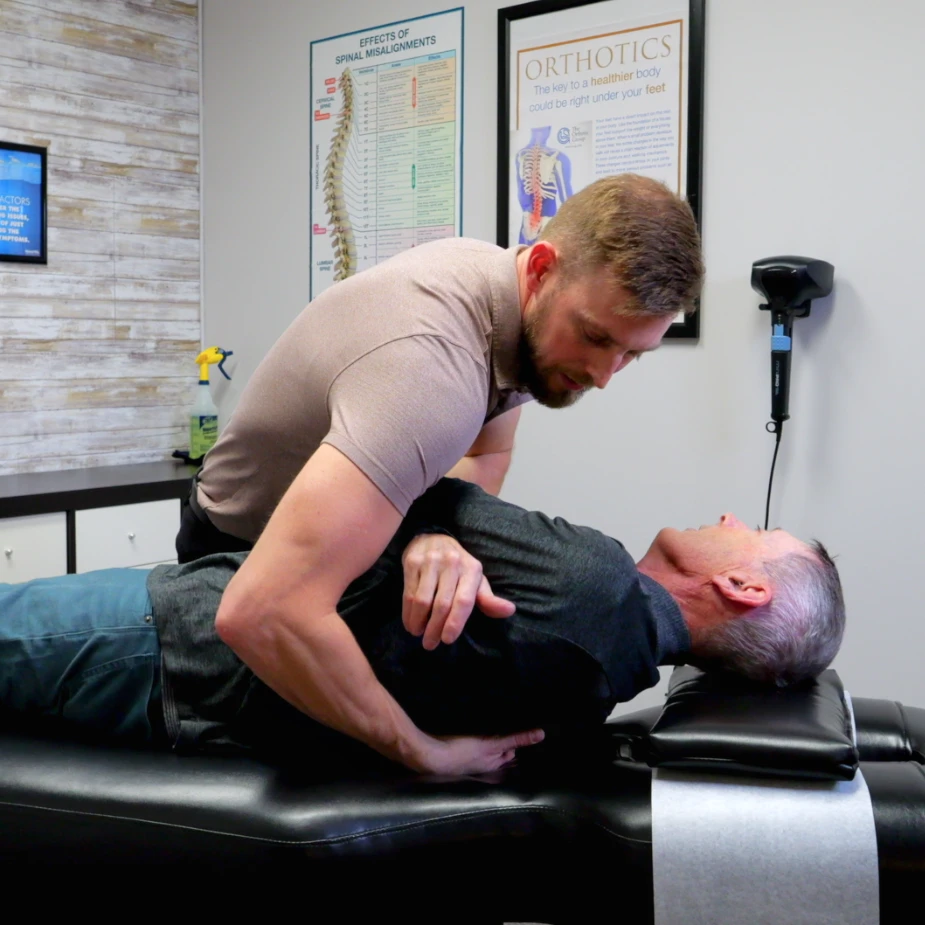
- Chiropractic adjustments targeting the specific lumbar or sacral segments involved, using the technique that fits the presentation best whether that’s Diversified, Activator, drop table, or joint mobilization
- Soft tissue therapy targeting the piriformis and surrounding musculature when muscle involvement is present
- A home exercise program with private video instructions specifically matched to the type and cause of your sciatica, not a generic exercise handout
A scheduled progress exam at a defined point in care to confirm the plan is producing objective neurological and functional improvement

What to Expect at Your First Visit
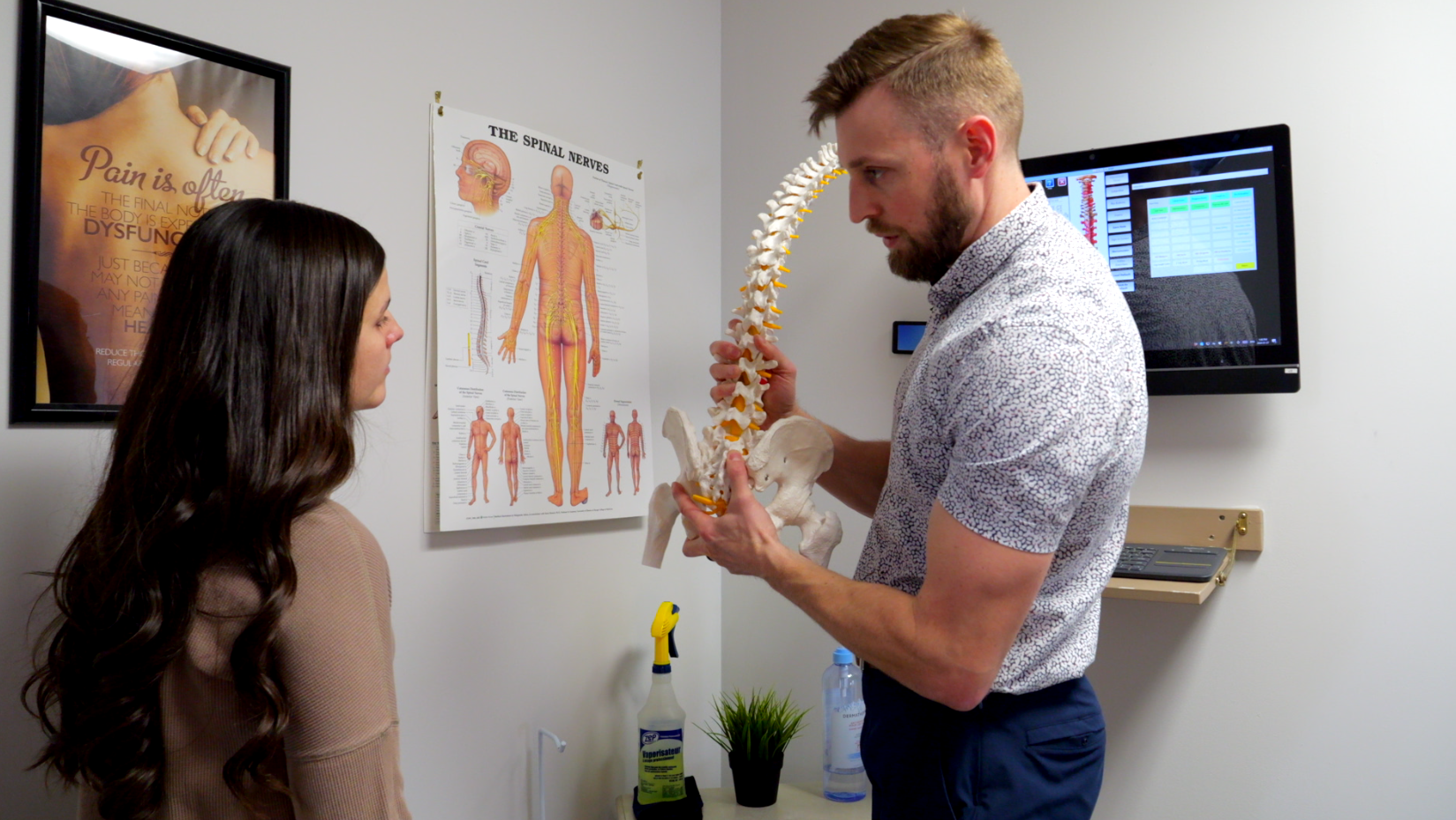
Your first visit starts with a review of your intake forms and a detailed conversation about your sciatica. Dr. Ben will ask about where the symptoms are, how they behave, what makes them better or worse, how long they’ve been present, and what you’ve already tried. The assessment follows, covering the lumbar spine, sacroiliac joints, lower limb neurological function, and the piriformis region.
He explains what he found in plain language, outlines the recommended care plan, and answers your questions before anything starts. If you’re a good candidate for care, treatment typically begins the same day.
No referral is needed and new patients are always welcome.
Frequently Asked Questions