

Headache & Migraine Chiropractor in London, Ontario
Headaches have a way of being dismissed, by other people and sometimes even by the people experiencing them. You push through, take something for the pain, and hope the next one doesn’t hit as hard. But when headaches are recurring, when they’re affecting your work, your sleep, your ability to be present with the people you care about, pushing through stops being a reasonable strategy.
At Riverside Chiropractic, Dr. Ben Tucker treats headaches and migraines regularly and has developed real clinical depth in identifying when the cervical spine is contributing to the pattern. That distinction matters more than most people realize, because headaches that originate from the neck respond very differently to treatment than headaches driven by other causes, and getting that assessment right is the foundation of getting the right result.

Are Your Headaches Coming From Your Neck?
Most people don’t think of headaches as a spine problem. But the relationship between the cervical spine and headache patterns is well established in the research and well recognized in clinical practice. The upper cervical spine shares nerve pathways with the head, and dysfunction in those joints, whether from restriction, muscle tension, disc involvement, or postural stress, can directly trigger headache symptoms.
This type of headache has a name: cervicogenic headache. It originates from the neck and refers pain into the head, often presenting as a one-sided headache starting at the base of the skull and radiating forward toward the eye or temple. It’s frequently misidentified as a tension headache or migraine, which means many people end up being managed with medication for a problem that has a structural cause that medication can’t fix.
The good news is that cervicogenic headaches respond very well to chiropractic care when properly identified. Many patients who have been managing recurring headaches for years find significant relief once the cervical component is properly assessed and treated.

Types of Headaches Dr. Ben Treats
Cervicogenic Headaches
Headaches that originate directly from dysfunction in the cervical spine. Often one-sided, frequently accompanied by neck stiffness or reduced range of motion, and typically aggravated by sustained postures or neck movements. These respond particularly well to chiropractic care targeting the upper cervical spine.
Tension Headaches
The most common type of headache, characterized by a dull, pressing or tightening sensation around the head. Often driven by muscle tension in the neck, shoulders, and upper back, prolonged static postures, and stress. Many tension headaches have a significant cervical component that chiropractic care can address effectively.
Migraines
Migraines are a neurological condition characterized by moderate to severe head pain, often accompanied by nausea, light and sound sensitivity, and visual disturbances. While migraines have a neurological basis, cervical spine dysfunction and muscle tension can act as triggers that increase migraine frequency and intensity. Chiropractic care doesn’t cure migraines, but for many patients it reduces how often they occur and how severe they are by addressing the musculoskeletal triggers.
Occipital Headaches
Pain at the base of the skull and back of the head, often related to the occipital nerve and the muscles and joints of the upper cervical spine. A common presentation in patients who spend significant time at a desk or looking at screens.
Post-Concussion Headaches
Headaches that persist following a concussion or head injury can have a significant cervical component, particularly if the injury involved whiplash-type forces. Dr. Ben assesses the cervical spine as part of the post-concussion picture and works collaboratively with other healthcare providers when appropriate.

Connection Between Posture, Screens, and Headaches
One of the most significant contributors to recurring headaches that Dr. Ben sees at Riverside is postural dysfunction, specifically forward head posture driven by prolonged desk work, phone use, and screen time. For every inch the head moves forward from its neutral position, the effective load on the cervical spine increases significantly. Over time this creates chronic muscle tension, joint restriction, and nerve irritation in the upper cervical spine that becomes a consistent headache trigger.
This is one of the reasons headaches have become so prevalent. The way most people work and live puts sustained, asymmetric load on the cervical spine for hours every day. Without addressing that postural pattern and the spinal dysfunction it creates, headaches tend to persist regardless of what medication is used.
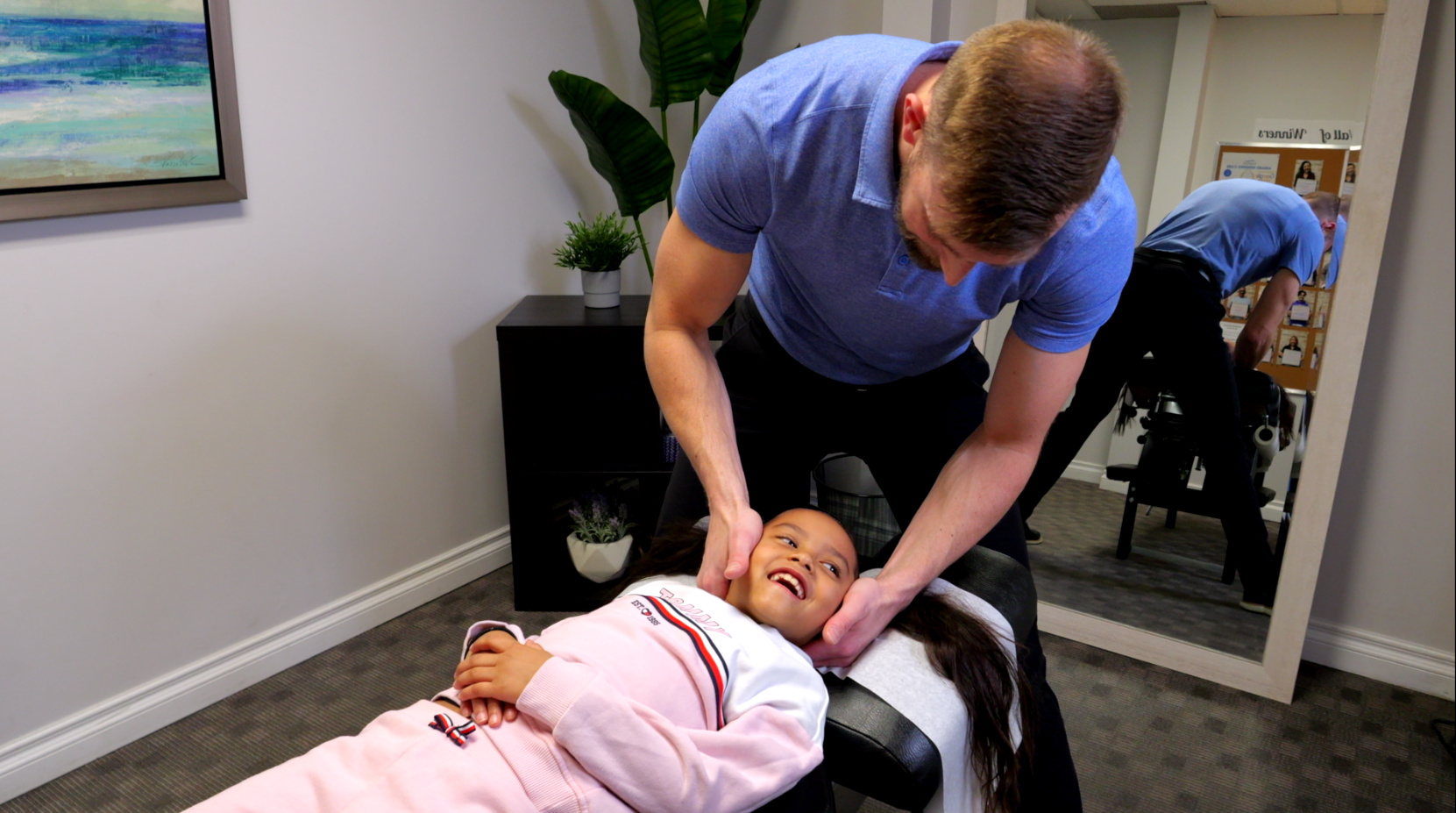
How Dr. Ben Approaches Headaches and Migraines
Every headache patient at Riverside Chiropractic starts with a comprehensive assessment. Dr. Ben takes the time to understand your headache pattern, frequency, location, triggers, duration, associated symptoms, and what you’ve already tried. From there the assessment includes orthopedic and neurological testing, cervical range of motion evaluation, joint movement assessment, postural analysis, and spinal tension scans.
The goal is to identify whether the cervical spine is contributing to the headache pattern and to what degree. If it is, that becomes the focus of the care plan. If the assessment suggests a headache type that isn’t primarily driven by cervical dysfunction, Dr. Ben will be straightforward about that and point you toward the right resource.
For patients where chiropractic care is the right fit, treatment may include:
- Chiropractic adjustments targeting the upper cervical and thoracic spine using Diversified technique, Activator, or joint mobilization depending on what fits your situation and comfort level
- Soft tissue therapy to address the muscle tension and trigger points that contribute to headache patterns
- A home exercise program with private video instructions focused on postural improvement and cervical stability
A scheduled progress exam to confirm the plan is producing objective improvement in headache frequency and intensity
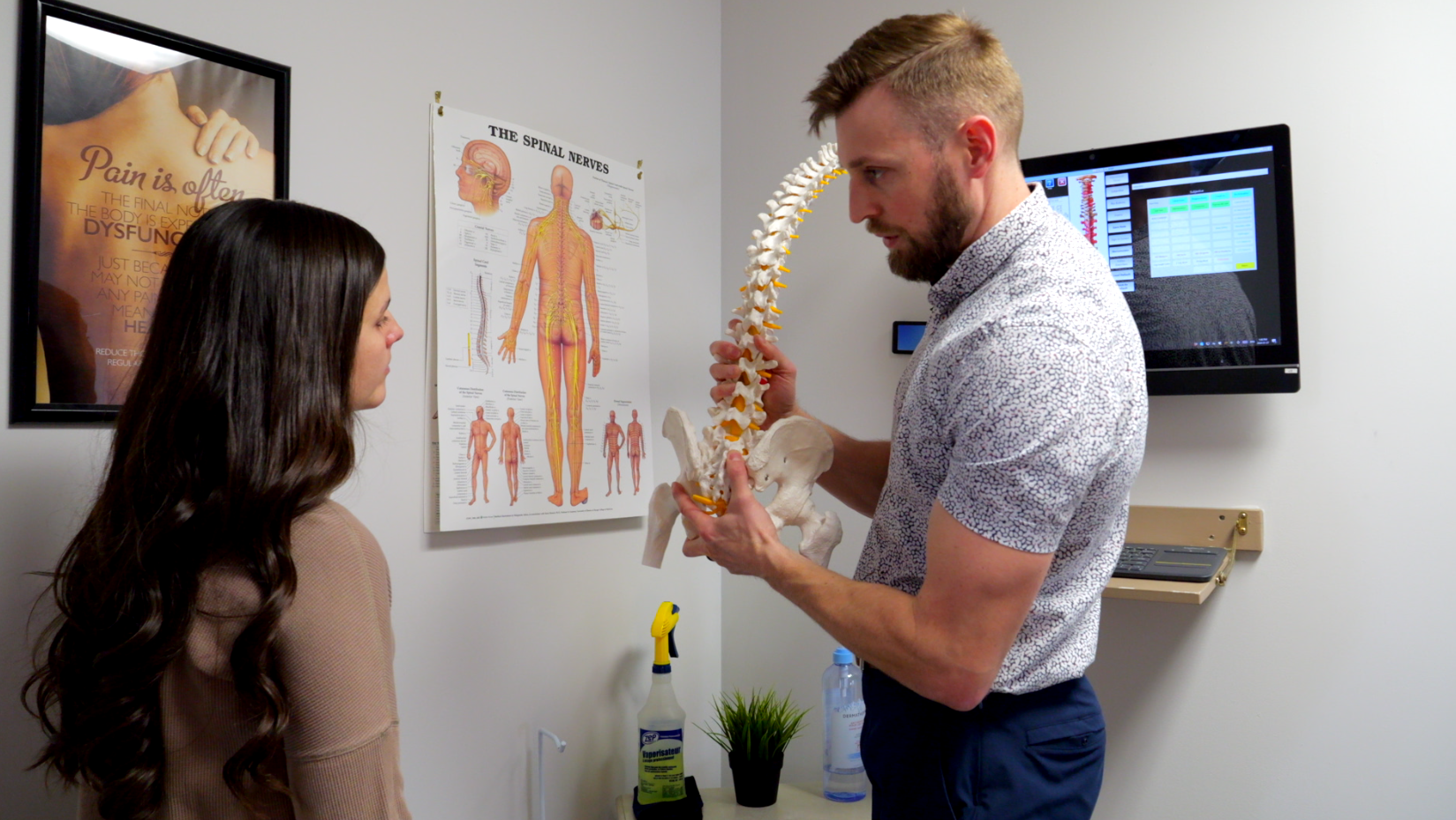
What to Expect at Your First Visit
Your first visit starts with a review of your intake forms and a conversation about your headache history. Dr. Ben will ask specific questions about the pattern, location, frequency, and what makes things better or worse. The assessment follows, covering the cervical spine, upper thoracic spine, posture, and neurological function where indicated.
He explains what he found in plain language, outlines the recommended care plan, and answers your questions before anything starts. If you’re a good candidate for care, treatment typically begins the same day.
No referral is needed and new patients are always welcome.
Frequently Asked Questions